Nutrition for Strength Training: What Actually Matters
Forget complicated meal plans and supplement stacks. These are the nutrition fundamentals that will fuel your gym sessions and support recovery — without overthinking it.
You Do Not Need a Complicated Diet
Let me save you some time: you do not need a 47-page meal plan, a supplement stack, or a detox tea to support your strength training. What you need is enough of the right stuff, consistently. That covers about 90 percent of it.
The rest is details. And while details matter eventually, they do not matter as much as nailing the basics first.
Protein — The One Non-Negotiable
If you are doing any kind of resistance training — using a gym workout tracker, following a personal trainer app, whatever — protein is the thing to get right. It repairs muscle tissue and drives the adaptations you are training for.
The research is pretty clear: aim for roughly 1.6 to 2.2 grams of protein per kilogram of body weight per day. For a 75kg person, that is 120 to 165 grams.
Practical sources that most people can work with:
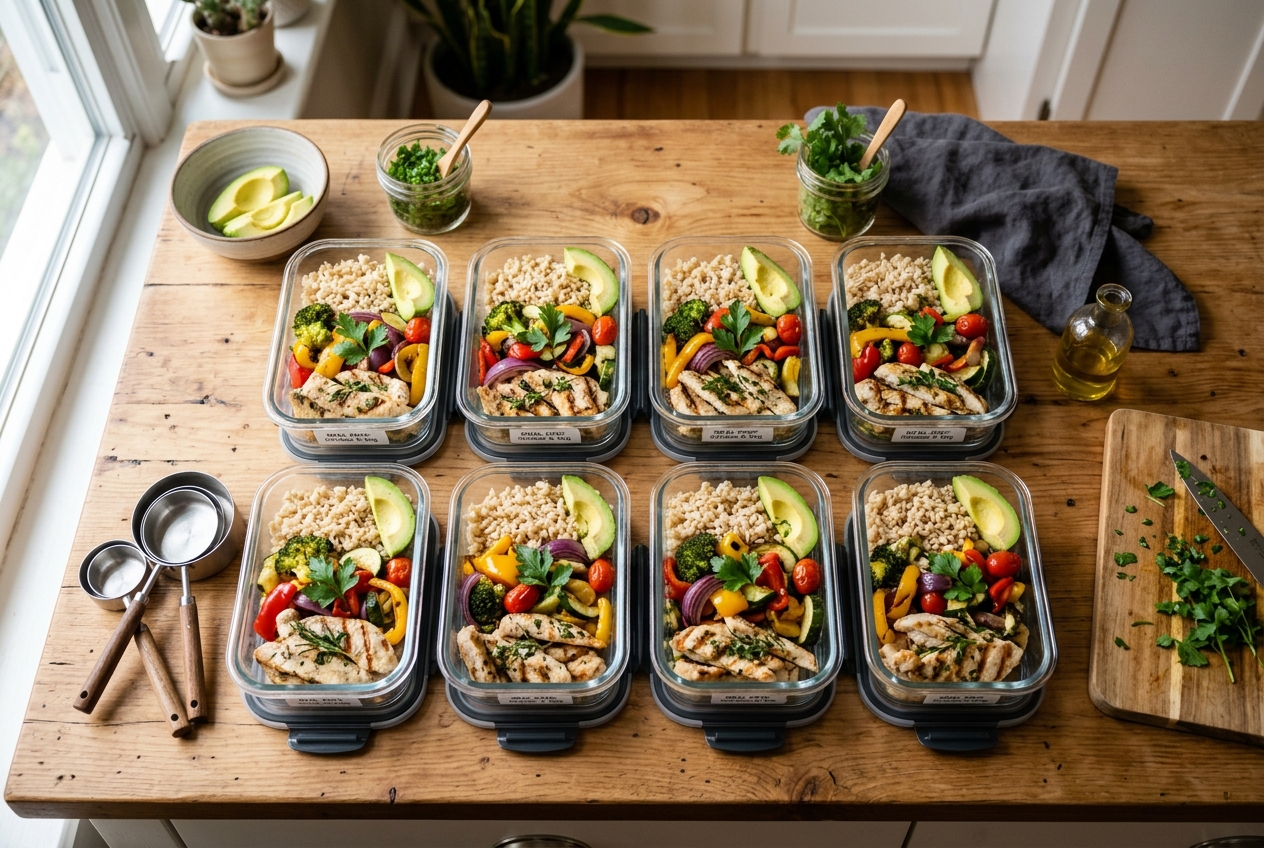
- Chicken, turkey, fish — the reliable staples
- Eggs — cheap, quick, and nutrient-dense
- Greek yoghurt and cottage cheese — high protein per serving, easy snack
- Legumes, tofu, tempeh — solid plant-based options
One tip that actually helps: spread your protein across three to four meals instead of dumping it all at dinner. Your body uses it more efficiently that way.
Carbohydrates — Your Gym Fuel
Carbs are not the enemy. They are literally what your muscles run on during resistance training. When glycogen stores are low, you fatigue faster, lift less, and your sessions feel awful.
Good options before or after the gym:
- Rice, oats, potatoes — slow-digesting, sustained energy
- Fruit — fast-digesting, great around training
- Bread, pasta — convenient and calorie-dense when you need them
If you are tracking your workouts in a fitness app and wondering why your strength has stalled, check your carb intake before blaming the programme.
Fats — Do Not Fear Them
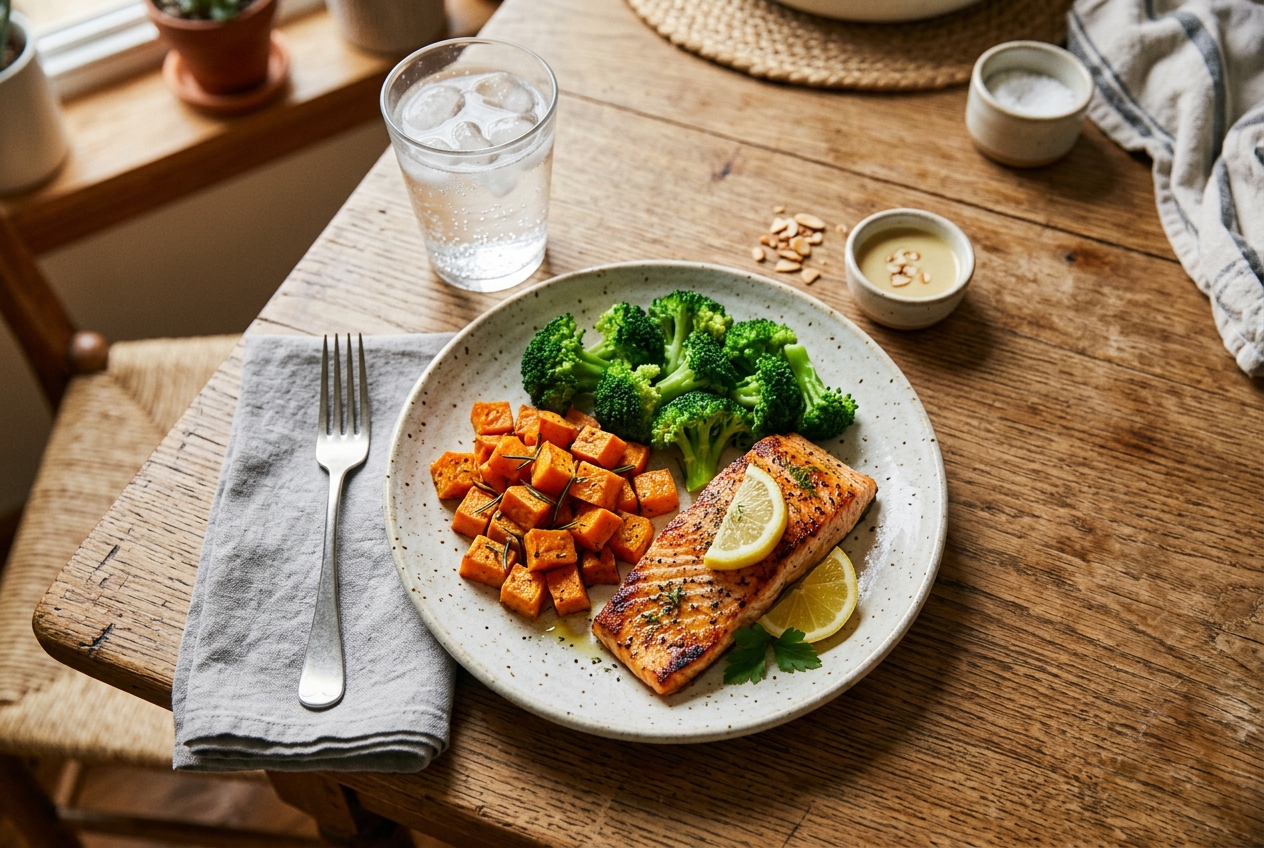
Dietary fat supports hormone production (yes, including testosterone), joint health, and nutrient absorption. Aim for about 0.7 to 1 gram per kilogram from sources like nuts, olive oil, avocado, and oily fish.
Hydration and Timing
Dehydration quietly kills performance. Drink water throughout the day — not just during your session. A good baseline is 30 to 40ml per kilogram of body weight, adjusted for how much you sweat.
As for meal timing: eat a balanced meal two to three hours before training, and have protein plus carbs within a couple of hours after. Beyond that, total daily intake matters more than when you eat. Consistency beats perfection every time.
The Bottom Line
Get your protein right. Eat enough carbs to fuel your training. Do not skip fats. Stay hydrated. That is genuinely most of what you need. Your personal trainer app handles the training side — just give your body the fuel to keep up.
BODYMAX Team
Written by the team behind BODYMAX.fit — coaches, programmers, and training nerds building smarter tools for real-world strength training.