Why Adaptive Training Matters More Than Your Workout Plan
Static workout plans ignore real life. Adaptive training listens to your actual performance and adjusts accordingly — here is why that changes everything.
The Problem Nobody Talks About
We have all been there. You download a fitness app, answer a handful of questions, and get handed a twelve-week programme. Week one feels great. By week three, half the exercises do not suit your gym, your shoulder is playing up, and you skipped Tuesday because work ran late. The app does not care. It still tells you to do the same thing next Monday.
This is how most workout plan apps operate — set it and forget it. And honestly, it is one of the biggest reasons people stop using them.
So What Is Adaptive Training, Really?
Adaptive training means your workout tracker pays attention. Not just to whether you showed up, but to the details of what happened:
- How many reps you actually completed versus what was planned
- The weight you used and whether it felt heavy or light
- How much effort each set took (that is where RPE comes in — more on that later)
- Which exercises you swapped out or skipped entirely
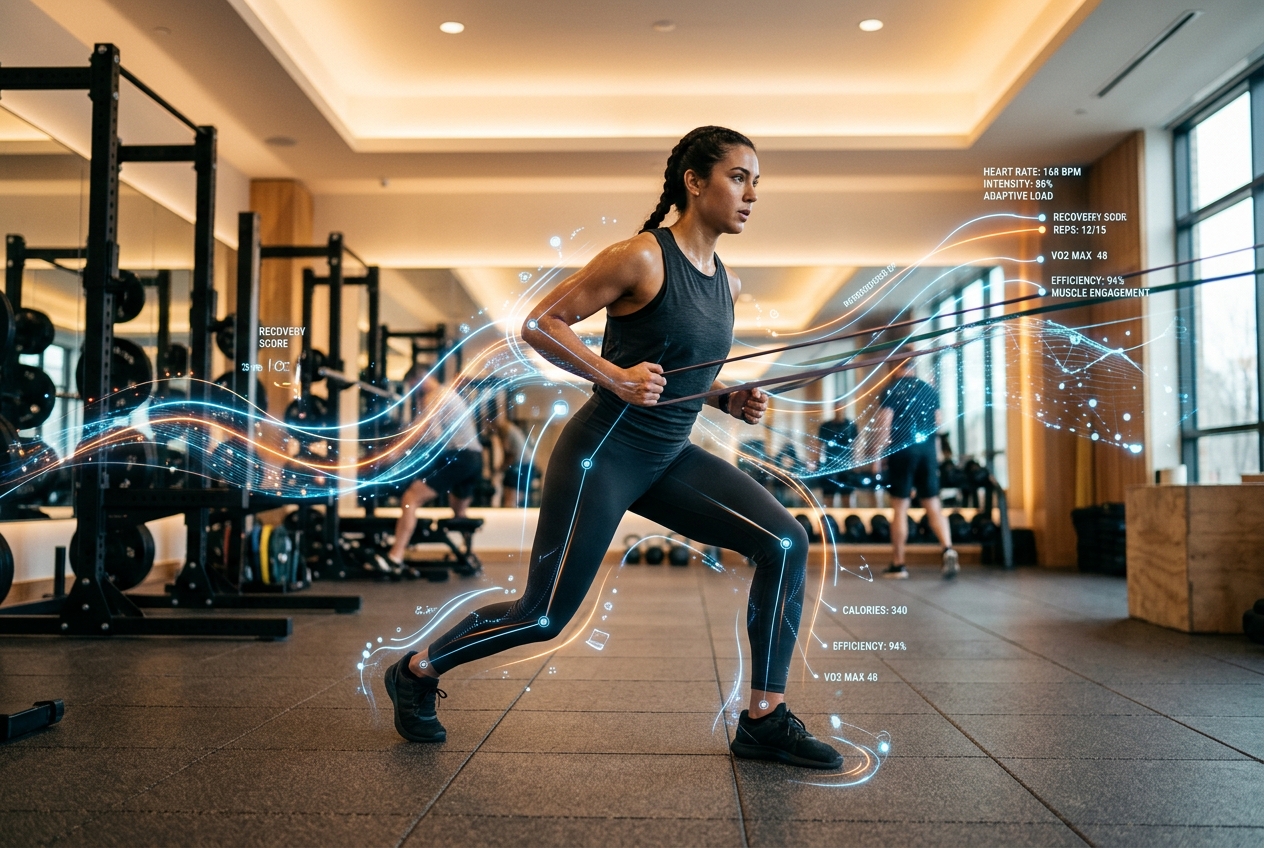
Over time, your personal trainer app builds a picture of how your body responds to training. It figures out your volume tolerance, which exercises are working, and when you are ready to push harder.
Why It Actually Feels Different
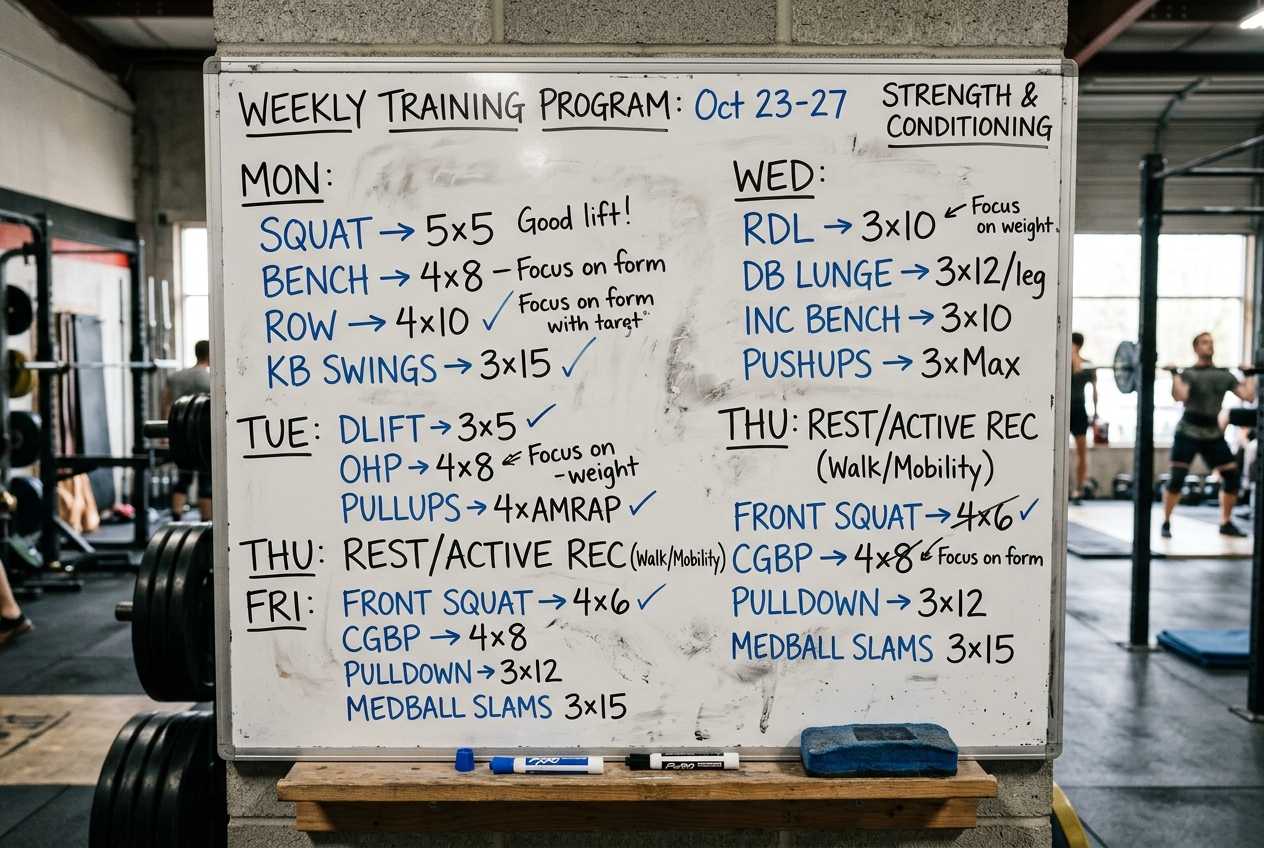
Here is the thing that surprises most people: when your training adapts to you, sessions just feel better. You are not forcing exercises that aggravate your joints. You are not doing more volume than you can recover from. And you are not stuck on the same weights when you are clearly ready for more.
Wednesday's session is shaped by what happened on Monday. Next week's plan reflects what worked this week. It is the difference between following a rigid personal trainer workout plan and training with a coach who actually listens.
"Most gym apps give you a plan and hope for the best. Adaptive training flips that — your future sessions are shaped by what actually happened."
How BODYMAX Handles This
BODYMAX was built around adaptive training from the start. Every set you log feeds into a signal layer that the workout generator reads before building your next session. The personal trainer app and the in-app coach share the same intelligence, so your programme and your coaching advice never contradict each other.
No duplicate systems. No conflicting recommendations. Just training that gets smarter the more you use it — which is what a proper gym workout tracker should do.
BODYMAX Team
Written by the team behind BODYMAX.fit — coaches, programmers, and training nerds building smarter tools for real-world strength training.